لغة
لغة
 English
 Español
 عربى
عربى
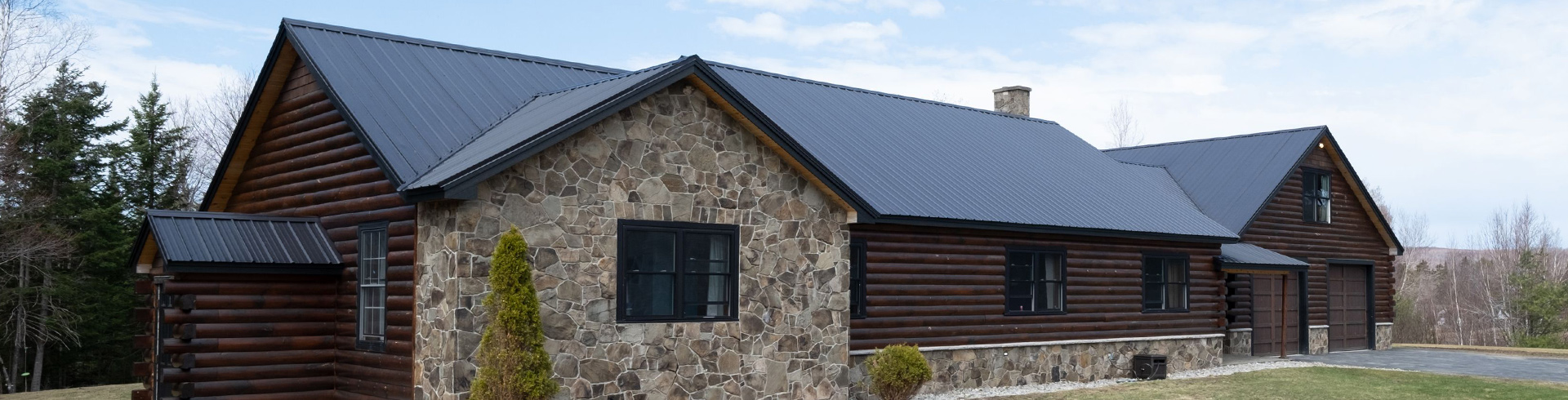

ما هي المواد وتصميم الألواح التي يجب عليك اختيارها لأداء التسقيف على المدى الطويل؟
ألواح السقف المعدنية ذات التماس الدائم يتم استخدامها بشكل متزايد في المباني التجارية والمرافق الصناعية والمستودعات ومرافق النقل والمباني العامة والمشاريع المعمارية واسعة النطاق والبناء السكني الحديث. بالمقارنة مع الأسقف المكشوفة التقليدية، تستخدم أنظمة التماس الدائمة طبقات رأسية مرتفعة لتوصيل الألواح المجاورة، في حين تظل العديد من مكونات التثبيت مخفية داخل مجموعة السقف. يخلق هذا التصميم مظهرًا معماريًا نظيفًا بينما يدعم أيضًا تصريف المياه الموثوق به وأداء السقف على المدى الطويل.
بالنسبة لأصحاب المشاريع والمقاولين والموزعين والمشترين المحترفين، فإن اختيار اللوحة المناسبة لا يقتصر على مجرد اختيار اللون أو مقارنة سعر المتر المربع. ال المعدن الأساسي، وسمك اللوحة، وتكوين التماس، ونظام الطلاء، وأبعاد اللوحة، والقدرة على الحركة الحرارية، وتوافق الملحقات كلها تؤثر على الأداء النهائي للسقف. يجب أن يتوافق نظام التسقيف المصمم جيدًا مع هيكل المبنى والمناخ المحلي ومنحدر السقف ومتطلبات الصرف وطريقة التثبيت وعمر الخدمة المتوقع.
تقع شركة Suzhou Donghong Metal مادةs Technology Co., Ltd. في Taicang، Suzhou، وهي منطقة تُعرف باسم "مسقط رأس الشركات الألمانية". الشركة مجاورة لشانغهاي، وهي قاعدة وطنية مهمة لصناعة الهياكل الفولاذية، ويفصلها نهر عن نانتونغ، وهي مدينة رئيسية موجهة للبناء. يوفر هذا الموقع وسائل نقل مريحة ومزايا لوجستية لمشاريع الأسقف المعدنية. تتخصص الشركة في البحث والتطوير والتصنيع والمعالجة والمبيعات وتركيب الأسقف المعدنية ومواد الجدران، وتوفير الحلول للمتطلبات المعمارية المختلفة.
كيف يعمل هيكل السقف المعدني الدائم؟
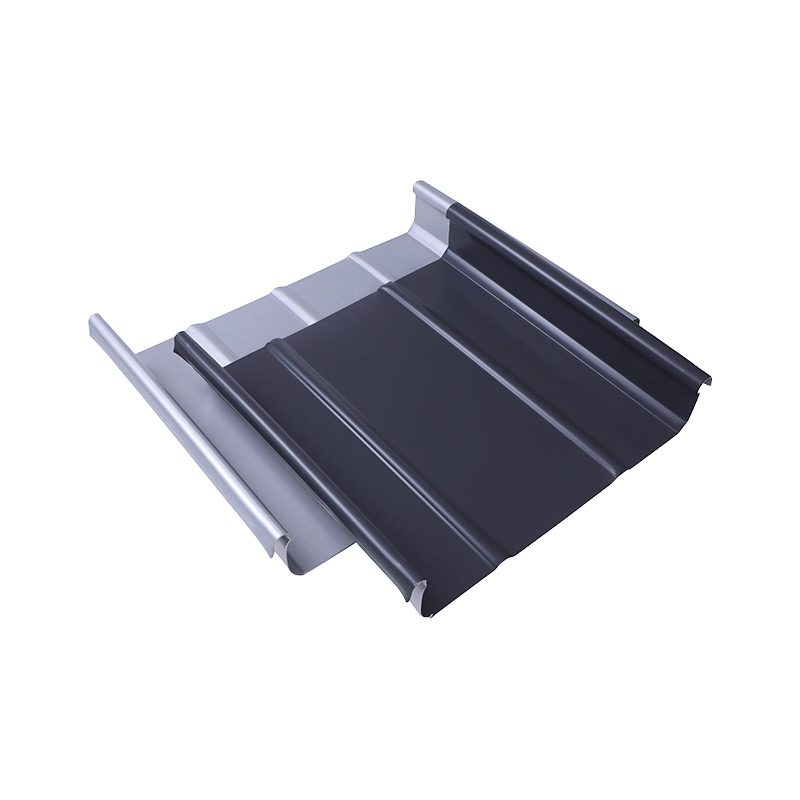
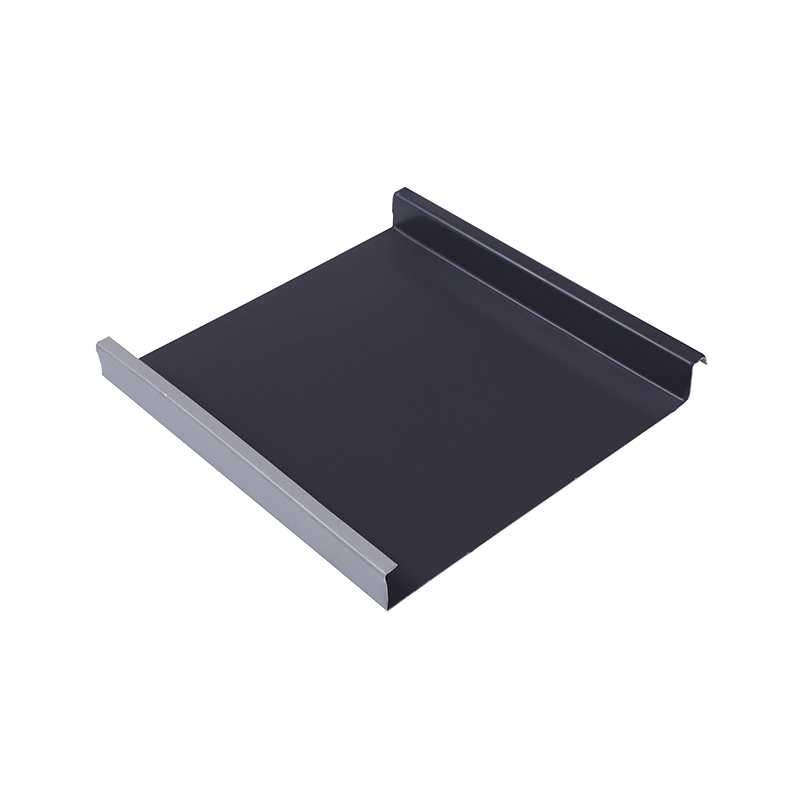
يتكون نظام التماس الدائم عادة من ألواح معدنية طويلة متصلة من خلال طبقات مرتفعة. اعتمادًا على التصميم، يمكن للألواح استخدام وصلات ذات قفل سريع أو وصلات ملحومة ميكانيكيًا. تُستخدم المشابك والمثبتات المخفية بشكل شائع لتوصيل الألواح بالهيكل الداعم مع السماح للألواح باستيعاب درجة معينة من الحركة الحرارية.
هذا النهج الهيكلي مهم بشكل خاص للألواح المعدنية الطويلة. يتمدد المعدن عندما ترتفع درجات الحرارة وينكمش عندما تنخفض درجات الحرارة. إذا لم يتمكن نظام التسقيف من استيعاب هذه الحركة بشكل صحيح، فقد يتطور ضغط مفرط حول أدوات التثبيت أو اللحامات أو المفاصل أو المكونات الداعمة. لذلك، ينبغي النظر في تكوين التماس ونظام المشبك معًا بدلاً من تقييمهما بشكل مستقل.
A سقف معدني مرتفع يمكن أن يوفر أيضًا سطح سقف متواصل بصريًا. تخلق الطبقات المرتفعة خطوطًا عمودية منتظمة تساهم في المظهر المعماري بينما تساعد في فصل مناطق الصرف الرئيسية بالسقف.
ما هي المواد المتوفرة لألواح السقف المعدنية ذات التماس الدائم؟
الركيزة لها تأثير كبير على أداء وتطبيق ألواح السقف المعدنية ذات التماس الدائم. تُستخدم المنتجات القائمة على الفولاذ على نطاق واسع بسبب قوتها وتكلفتها الاقتصادية نسبيًا، في حين يمكن للأنظمة القائمة على الألومنيوم أن توفر مزايا في الوزن ومقاومة التآكل. تعتبر سبائك الألومنيوم والمغنيسيوم والمنغنيز جذابة بشكل خاص لتطبيقات الأسقف المعمارية لأنها تجمع بين الوزن المنخفض نسبيًا وقابلية التشكيل الجيدة ومقاومة التآكل.
شركة Suzhou Donghong Metal Materials Technology Co., Ltd. متخصصة في الأسقف المعدنية ومواد الجدران وتقدم أنظمة التسقيف المصنوعة من الألومنيوم والمغنيسيوم والمنغنيز كواحدة من فئات منتجاتها الرئيسية. يمكن أخذ هذا النوع من الأنظمة بعين الاعتبار للمشاريع التي يكون فيها المظهر المعماري والبناء خفيف الوزن ومقاومة التآكل وأداء السقف على المدى الطويل أمرًا مهمًا.
| عامل الاختيار | ما يجب على المشترين تقييمه | التأثير على أداء المشروع |
|---|---|---|
| المادة الأساسية | الصلب والألومنيوم وسبائك الألومنيوم والمغنيسيوم والمنغنيز، الخ. | يحدد الوزن والقوة ومقاومة التآكل وخصائص التشكيل |
| سمك المادة | السماكة أو المقياس المطلوب | يؤثر على الصلابة والتعامل |
| تكوين التماس | قفل المفاجئة أو ملحومة ميكانيكيا | يحدد طريقة الاتصال ومتطلبات التثبيت |
| ارتفاع التماس | البعد الخاص بالملف الشخصي | يؤثر على المظهر والتكوين المشترك |
| طلاء السطح | نوع الطلاء والانتهاء واللون | يؤثر على المظهر ومقاومة الطقس |
| عرض اللوحة | العرض الفعال والشامل | يحدد التغطية وكمية المواد |
| طول اللوحة | الطول القياسي أو المخصص | يؤثر على المفاصل والنقل والتركيب |
| الحركة الحرارية | سكن التمدد والانكماش | مهم للألواح الطويلة |
| الملحقات | مقاطع، الديكورات، قبعات التلال، الحشوات | يضمن توافق النظام الكامل |
لماذا يجب أن يعتمد اختيار المواد على بيئة المشروع؟
إن مادة التسقيف التي تعمل بشكل جيد في بيئة ما قد لا تكون بالضرورة الخيار الأمثل لبيئة أخرى. قد تتطلب المناطق الساحلية وذات الرطوبة العالية مقاومة أقوى للتآكل، بينما تتطلب المباني في المناطق ذات التقلبات الكبيرة في درجات الحرارة دراسة متأنية للحركة الحرارية. قد تتطلب المشاريع ذات الأشكال الهندسية المعقدة للسقف أيضًا مواد ذات خصائص تشكيل جيدة.
لهذا السبب، يجب على المشترين تقديم معلومات المشروع إلى الشركة المصنعة قبل الحصول على عرض الأسعار النهائي. يمكن أن تتضمن المعلومات المهمة موقع المبنى، ومساحة السطح، ومنحدر السقف، والنظام الهيكلي، وطول اللوحة المتوقع، والتعرض البيئي، ومتطلبات العزل، وتكوين الصرف، والمتطلبات الجمالية.
النهج الصحيح هو اختيار نظام التسقيف بأكمله، بدلا من اختيار الألواح بشكل مستقل. يجب أن تعمل الألواح والمشابك والمثبتات والزخارف والوميض والعزل والمكونات الأخرى معًا كمجموعة منسقة.
كيف يمكن للوحات التماس الدائمة تحسين كفاءة التثبيت والتحكم في المشروع؟
بالنسبة لمشاريع الأسقف واسعة النطاق، ترتبط كفاءة التركيب بشكل مباشر بتكلفة المشروع، وجدولة البناء، ومتطلبات العمالة، والجودة النهائية. يمكن أن توفر ألواح التماس الدائمة مزايا لأن تصميم اللوحة المستمر وهيكل التثبيت المخفي يمكن أن يقلل من عدد الاختراقات المرئية عبر سطح السقف. ومع ذلك، فإن كفاءة التثبيت لا تعتمد فقط على اللوحة نفسها. أبعاد اللوحة، ونوع التماس، وتصميم الملحقات، والتعبئة، ومعدات التثبيت، وخبرة العمال، كلها تؤثر على عملية البناء الفعلية.
بالنسبة للمشترين المحترفين، من المفيد تقييم ألواح التماس الدائمة كجزء من نظام التسقيف الكامل. قد يؤدي المنتج الذي يبدو غير مكلف عند بوابة المصنع إلى خلق تكاليف إضافية إذا كانت الألواح تتطلب تعديلًا ميدانيًا مفرطًا، أو عدم تطابق الملحقات، أو التعبئة والتغليف غير كافية أثناء النقل.
لماذا تعتبر أبعاد اللوحة مهمة لتخطيط المشروع؟
يؤثر عرض وطول كل لوحة بشكل مباشر على استخدام المواد وكفاءة التثبيت. قد تغطي الألواح الأوسع مساحة أكبر من السقف بقطع فردية أقل، في حين أن الألواح الطويلة يمكن أن تقلل من عدد الوصلات الأفقية. ومع ذلك، فإن زيادة طول اللوحة ليس مفيدًا دائمًا. قد تتطلب الألواح الطويلة النقل والتعامل وتحديد المواقع والتخطيط للحركة الحرارية بشكل أكثر دقة.
بالنسبة للمشاريع الكبيرة، يجب تحديد طول اللوحة وفقًا لهندسة السقف والخدمات اللوجستية. موقع التصنيع لشركة Suzhou Donghong Metal Materials Technology Co., Ltd. في Taicang يوفر إمكانية الوصول إلى شبكات النقل المريحة حول دلتا نهر Yangtze، والتي يمكنها دعم المتطلبات اللوجستية لمشاريع الأسقف المعدنية.
ما هي المكونات المطلوبة إلى جانب ألواح التسقيف الرئيسية؟
يتكون سقف التماس الدائم الاحترافي من أكثر من الألواح الرئيسية. قد تكون جميع أغطية التلال، ومكونات الأفاريز، وزخارف الجملون، وحشوات الوادي، والمشابك، والمثبتات، ومانعات التسرب، وطبقات العزل، وتفاصيل اختراق السقف مطلوبة.
التوافق بين هذه المكونات مهم بشكل خاص. إذا تم توفير اللوحات والملحقات من قبل شركات مصنعة مختلفة دون التنسيق الكافي، فقد يحتاج القائمون على التركيب إلى تعديل المكونات في موقع العمل. يمكن أن تؤدي مثل هذه التعديلات إلى زيادة وقت العمل ومن المحتمل أن تؤثر على المظهر النهائي.
Suzhou Donghong Metal Materials Technology Co., Ltd. لا تركز فقط على تصنيع ومعالجة الأسقف المعدنية ومواد الحوائط ولكنها توفر أيضًا خدمات البيع والتركيب. تسمح هذه القدرة الأوسع للشركة بالتعامل مع مشاريع الأسقف من منظور تصنيع المنتج وتركيب النظام.
| مكون | الغرض الأساسي | الاعتبار الرئيسي |
|---|---|---|
| لوحة التماس الدائمة | سطح السقف الرئيسي | الملف الشخصي والسمك والعرض والطول والمواد |
| مقطع مخفي | يربط الألواح بالهيكل الداعم | يجب أن يتطابق مع تصميم اللوحة |
| قبعة ريدج | يحمي وينهي حافة السقف | يجب أن يتطابق مع ملف تعريف السقف |
| إيف تقليم | الانتهاء من حافة السقف السفلية | التنسيق مع الصرف |
| تقليم الجملون | يحمي وينهي الحواف الجانبية للسقف | يجب أن تتطابق مع هندسة اللوحة |
| وميض الوادي | يوجه المياه من أودية الأسطح | يتطلب أبعاد دقيقة |
| السحابات | تأمين مكونات التسقيف | يجب أن تتطابق مع الركيزة والتطبيق |
| مانع التسرب | يدعم ختم الطقس في التفاصيل المحددة | يجب أن تكون متوافقة مع مواد التسقيف |
| نظام العزل | يدعم الأداء الحراري | التنسيق مع مجموعة السقف |
كيف يمكن للتغليف الأفضل أن يقلل من مشاكل التثبيت؟
يمكن أن تتضرر ألواح الأسقف المعدنية أثناء التحميل والتفريغ والنقل والتخزين. قد تؤثر الخدوش أو الخدوش أو التشوه أو المشاكل المتعلقة بالرطوبة على المظهر وجودة التثبيت. وهذا مهم بشكل خاص للمشاريع المعمارية حيث يكون سطح السقف واضحًا للغاية.
يجب أن تحمي التغليف الاحترافي الألواح مع السماح بالتفريغ والتعرف بكفاءة. يجب تنظيم حزم اللوحات بشكل صحيح وفقًا للطول أو الملف الشخصي أو منطقة المشروع حيثما كان ذلك مناسبًا. يمكن أن يؤدي وضع العلامات الواضحة أيضًا إلى تقليل الوقت الذي يقضيه القائمون على التثبيت في تحديد المكونات.
كيف يجب على المشترين الاستعداد قبل الإنتاج؟
قبل بدء الإنتاج، يجب على المشترين تقديم معلومات دقيقة عن المشروع وتأكيد الرسومات الفنية النهائية. يجب مراجعة أبعاد اللوحة وملامح التماس والألوان والكميات والملحقات ومتطلبات التثبيت مسبقًا.
يمكن لمواصفات الشراء الواضحة أن تقلل بشكل كبير من مشاكل الاتصال. ويمكنه أيضًا مساعدة الشركة المصنعة في إعداد جداول الإنتاج وتنسيق الخدمات اللوجستية بشكل أكثر كفاءة.
ما هي تفاصيل الجودة والمورد التي يجب التأكد منها قبل طلب ألواح السقف ذات التماس الدائم؟
يتطلب اختيار مورد لألواح السقف ذات التماس الدائم تقييمًا أوسع من مجرد مقارنة أسعار الوحدات. يعد التسقيف أحد مكونات البناء طويلة المدى، ويمكن أن تؤثر المشكلات التي تحدث أثناء التصنيع أو النقل أو التثبيت على المشروع بأكمله. لذلك يجب على المشترين التقييم جودة المواد، دقة الأبعاد، القدرة على الإنتاج، مراقبة الجودة، القدرة على التخصيص، الدعم الفني، التعبئة والتغليف، التسليم، وتجربة التثبيت .
قامت شركة Suzhou Donghong Metal Materials Technology Co., Ltd. بتطوير أعمالها حول البحث والتطوير والتصنيع والمعالجة والمبيعات وتركيب مواد الأسقف المعدنية والجدران. تمتد مجموعة منتجاتها إلى ما هو أبعد من أنظمة الأسقف المصنوعة من الألومنيوم والمغنيسيوم والمنغنيز لتشمل أنظمة الجدران الساترة المعدنية، وأنظمة الأسقف المتشابكة المسطحة والكسوة، وأنظمة البلاط المزجج المعدني ذي الطراز العتيق، وأنظمة عزل الجدران الخارجية، وأنظمة أسقف القرميد ذات القفل المخفي المعدني. تسمح مجموعة المنتجات الأوسع هذه بمراعاة متطلبات الأسقف والجدران المختلفة ضمن حل متكامل للمواد المعمارية.
ما هي مؤشرات جودة التصنيع التي يجب على المشترين التحقق منها؟
تعد دقة الأبعاد واحدة من أهم مؤشرات الجودة لسقف التماس الدائم. يجب أن يتم توصيل اللوحات المجاورة بشكل صحيح، ويجب أن يحافظ خط التماس على هندسة متسقة على طول طول اللوحة. يمكن أن تؤدي الاختلافات في العرض أو شكل الحافة أو أبعاد التماس إلى زيادة صعوبة التثبيت.
تعتبر جودة السطح أحد الاعتبارات المهمة الأخرى. يجب أن تتمتع الألواح بلمسة نهائية متسقة ويجب حمايتها من الخدوش غير الضرورية والخدوش والتلوث والأضرار الأخرى أثناء التصنيع والمناولة.
يمكن أن تكون إمكانية تتبع المواد مفيدة أيضًا للمشاريع الكبيرة. قد يحتاج المشترون إلى وثائق تغطي مواصفات المواد ومتطلبات الطلاء ومجموعة الإنتاج وإجراءات الفحص والمعلومات الفنية الأخرى.
| مادة الجودة | ما الذي يجب التحقق منه؟ | التأثير المحتمل |
|---|---|---|
| Material | سبائك أو درجة الصلب وسمك | الأداء الهيكلي والخدمي |
| هندسة اللوحة | العرض والطول وأبعاد التماس | دقة التثبيت |
| الانتهاء من السطح | الخدوش والخدوش واتساق الطلاء | المظهر والمتانة |
| جودة الحافة | الاستقامة ودقة التشكيل | اتصال التماس |
| تناسق الألوان | ظهور دفعة إلى دفعة | المظهر المعماري |
| الملحقات | التوافق الأبعاد والملف الشخصي | كفاءة التثبيت |
| التعبئة والتغليف | الحماية ووضع العلامات | سلامة النقل |
| التوثيق | المواصفات الفنية وسجلات التفتيش | مراقبة المشتريات |
لماذا تعد القدرة على التصنيع مهمة للمشاريع الكبيرة؟
غالبًا ما تتطلب المشاريع الكبيرة كميات كبيرة من الألواح ذات الأبعاد والمظهر المتسقين. ولذلك يجب أن يكون لدى المورد القدرة التصنيعية الكافية للحفاظ على استمرارية الإنتاج واتساق الجودة.
تعتبر القدرة على التخصيص مهمة أيضًا لأن مشاريع السقف نادرًا ما يكون لها نفس الأبعاد تمامًا. قد تتطلب المباني المختلفة أطوالًا أو عروضًا أو ملفات تعريف التماس أو ألوانًا أو تكوينات ملحقات مختلفة.
بالنسبة للمشاريع المعمارية، يمكن للشركة المصنعة التي تتمتع بقدرات البحث والتطوير أيضًا توفير حلول أكثر مرونة عندما لا تلبي المنتجات القياسية متطلبات المشروع بشكل كامل. ويرتبط هذا بشكل خاص بالمشاريع التي تتضمن أشكالًا معقدة للأسقف أو تصميمات خاصة للواجهات أو أنظمة الأسقف والجدران المتكاملة.
كيف يجب على المشترين تقييم التكلفة الإجمالية بدلاً من سعر الوحدة فقط؟
سعر شراء ألواح التسقيف ليس سوى جزء واحد من إجمالي تكلفة المشروع. يمكن أن يؤثر النقل والتفريغ والتخزين والملحقات والعمالة ووقت التثبيت ومتطلبات الصيانة ونفايات المواد المحتملة على الاستثمار النهائي.
على سبيل المثال، قد توفر اللوحة ذات السعر الأولي الأعلى قليلاً تناسقًا أفضل للأبعاد وتقلل من عمالة التركيب. المورد الذي يمكنه توفير الملحقات المطابقة قد يقلل أيضًا من الحاجة إلى التصنيع الميداني. وبالمثل، فإن التغليف الأفضل يمكن أن يقلل من مخاطر تلف النقل وتكاليف الاستبدال.
ولذلك، يجب على المشترين مقارنة الموردين باستخدام نموذج تكلفة أوسع.
| فئة التكلفة | سؤال التقييم |
|---|---|
| سعر المادة | هل يعتمد الاقتباس على نفس مواصفات المادة؟ |
| الملحقات | هل يتم تضمين المقاطع والزخارف والحشوات والمكونات الأخرى؟ |
| النقل | ما هي متطلبات التسليم والخدمات اللوجستية؟ |
| التثبيت | ما مقدار العمالة المطلوبة؟ |
| النفايات | هل حجم اللوحة يحسن استخدام المواد؟ |
| الصيانة | ما هي الصيانة التي قد تكون مطلوبة أثناء الخدمة؟ |
| خطر الاستبدال | كيف يتم التعامل مع المواد التالفة؟ |
| الدعم الفني | هل التثبيت والمساعدة الفنية متاحان؟ |
لماذا يمكن للشركة المصنعة المتكاملة أن تكون ذات قيمة؟
يمكن للشركة المصنعة المتكاملة تبسيط الاتصال لأنه يمكن تنسيق تطوير المنتج وتصنيعه ومعالجته وبيعه وتركيبه من خلال عملية أكثر توحيدًا. يمكن أن يكون هذا مفيدًا بشكل خاص للمشاريع التي تتطلب مقاطع أسقف مخصصة أو أنواعًا متعددة من مواد البناء المعدنية.
بفضل موقعها في Taicang، Suzhou، بالقرب من شنغهاي ومع اتصالات لوجستية مريحة، فإن Suzhou Donghong Metal Materials Technology Co., Ltd. في وضع يمكنها من خدمة المشاريع التي تتطلب حلولاً للأسقف المعدنية ومواد الجدران. وتغطي قدراتها كلاً من توريد المنتج وتركيبه، مما يسمح بدراسة متطلبات المشروع بدءًا من مرحلة اختيار المنتج المبكرة وحتى البناء.
بالنسبة للمشترين، المفتاح هو تقييم ما إذا كان المورد يمكنه تقديم المطلوب باستمرار المواصفات الفنية والجودة والكمية وجدول التسليم ودعم التثبيت . يوفر هذا النهج أساسًا أكثر موثوقية لاختيار الموردين من مجرد اختيار أقل الأسعار.
الأسئلة الشائعة حول ألواح السقف المعدنية ذات التماس الدائم
ما هي ألواح السقف المعدنية التماس الدائمة؟
ألواح السقف المعدنية ذات التماس الدائم عبارة عن ألواح تسقيف معدنية متصلة من خلال طبقات رأسية مرتفعة. يستخدم النظام عادةً مشابك أو مثبتات مخفية لتوصيل الألواح بالهيكل الداعم. وهذا يخلق مظهرًا نظيفًا للسقف مع توفير تكوين سقف مصمم لإدارة تصريف المياه والحركة الحرارية.
ما هو السقف المعدني المرتفع؟
A سقف معدني مرتفع هو نظام تسقيف معدني يتم فيه رفع المفاصل بين الألواح المتجاورة فوق سطح السقف الرئيسي. تشكل الطبقات المرتفعة وصلة اللوحة الأساسية وتساهم في المظهر المميز للنظام.
ما هي لوحات التماس الدائمة المستخدمة بشكل شائع؟
يمكن استخدام ألواح التماس الدائمة في المباني التجارية والمرافق الصناعية والمستودعات والمباني العامة ومرافق النقل والمشاريع المعمارية وغيرها من الهياكل التي تتطلب أسقفًا معدنية متينة. يجب أن يتم تحديد الطلب النهائي وفقًا لتصميم المشروع، وخصائص المواد، والظروف المحلية، ومتطلبات البناء المعمول بها.
ما هي المواد التي يمكن استخدامها لألواح السقف التماسية الدائمة؟
تشمل الخيارات الشائعة الفولاذ ومنتجات الصلب من نوع جالفالومي والألومنيوم وسبائك الألومنيوم والمغنيسيوم والمنغنيز. تعتمد المواد المناسبة على المتطلبات الهيكلية للمشروع، والتعرض البيئي، والمظهر، والميزانية، وهندسة السقف، وظروف الخدمة المتوقعة.
هل يمكن تخصيص ألواح السقف التماسية الدائمة؟
نعم. اعتمادًا على الشركة المصنعة ونظام المنتج، قد يشمل التخصيص طول اللوحة وعرضها وسمكها وتكوين التماس والمواد وتشطيب السطح واللون والملحقات. يجب تأكيد التخصيص مقابل الرسومات الفنية للمشروع قبل الإنتاج.
لماذا يتم استخدام الألومنيوم والمغنيسيوم والمنجنيز في أسقف التماس الدائمة؟
يمكن أن توفر سبائك الألومنيوم والمغنيسيوم والمنغنيز مزيجًا مفيدًا من الوزن المنخفض نسبيًا، ومقاومة التآكل، وقابلية التشكيل، والمظهر المعماري. هذه الخصائص تجعلها مناسبة لمختلف تطبيقات الأسقف المعدنية، خاصة المشاريع التي تكون فيها الجودة المعمارية والتعرض للطقس على المدى الطويل أمرًا مهمًا.
ما الذي يجب على المشترين تأكيده قبل تقديم طلب كبير؟
يجب على المشترين التأكد من مواصفات المواد، وأبعاد اللوحة، وشكل التماس، والطلاء أو تشطيب السطح، والكمية، والملحقات، والتعبئة، وجدول الإنتاج، وترتيبات التسليم، ومتطلبات التثبيت، والوثائق الفنية. ومن المستحسن أيضًا التأكد من أن جميع المكونات متوافقة كنظام تسقيف كامل.
هل يمكن للمورد توفير مواد التسقيف وخدمات التركيب؟
تقدم بعض شركات الأسقف المعدنية المتخصصة خدمات متكاملة تغطي البحث والتطوير والتصنيع والمعالجة والمبيعات والتركيب. تعمل شركة Suzhou Donghong Metal Materials Technology Co., Ltd. عبر هذه المناطق وتتخصص في حلول الأسقف المعدنية ومواد الجدران، بما في ذلك أنظمة الأسقف المصنوعة من الألومنيوم والمغنيسيوم والمنغنيز ذات التماس الدائم والعديد من أنظمة الأسقف والواجهات الأخرى.

 تحميل
تحميل